
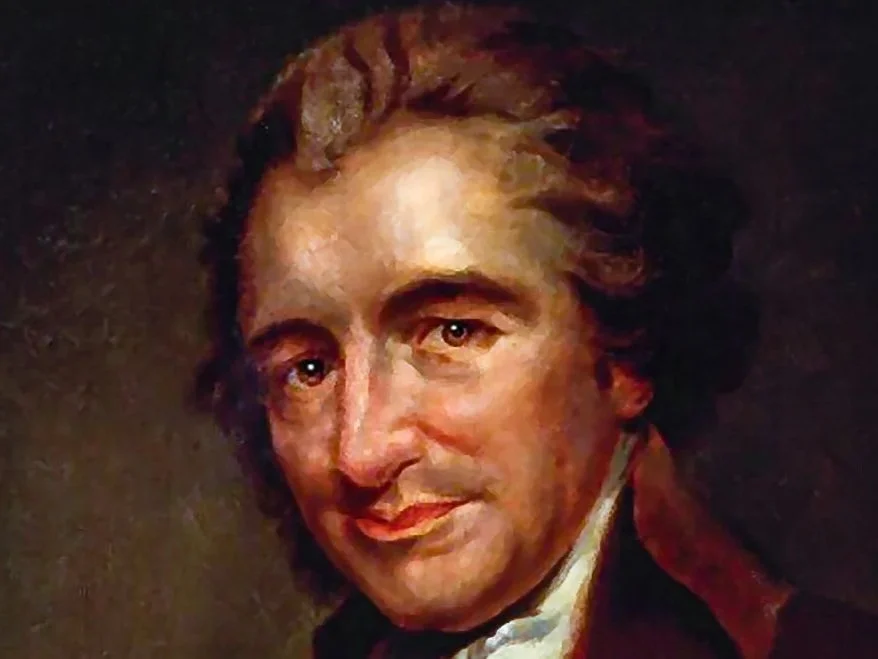
The Englishmen Who United the States of America
American Independence was fuelled by two Englishmen. The first was John Wilkes, few in America have ever heard of.

Gaston of Orleans: The Black Sheep of The Royal Family.
In this portrait of Gaston of Orléans, he is wearing the crown of a prince of the blood an elaborate lace jabot and an ornate doublet.

Ernst and Calder: Friends Re-united.
Sandy invented the mobile. His kinetic sculptures, delicately balanced, suspended shapes move in response to touch or air currents.

Max Ernst: Musée des Beaux Arts Tours.
Sculpted by world famous Surrealist, Max Ernst, The Baby turtle Hatchlings. were born almost sixty years ago to adorn the basin of his wonderful Fountain in Amboise.

DEGAS: Musée des Beaux Arts, Tours.
I find the bronze sculpture, ‘Danseuse’ on display in Tours Musée des Beaux Arts mysterious.

The Arnolfini Portrait: The French Connection
One of the reasons, apart from the usual displacement activities, it takes so long to write a book is because of the rabbit holes the writer tumbles down along the way, often because of accidentally stumbling over just one sentence read somewhere or other a long time ago.

Amboise Museum of Art and History
Although known locally as The Museum, its official title is Le Musée-Hôtel Morin. Built between 1501 and 1505 at the flowering of the French Renaissance, this was one of the first permanent monuments in Amboise.

The Camera Manual Companion
This guide was written with two kinds of photographer in mind: The new camera owner and the mobile phone photographer transitioning to a larger format camera. It introduces the reader to the principles of photography in easy to read non-technical language.