
Yolande of Aragon. Part Four. Conclusion.

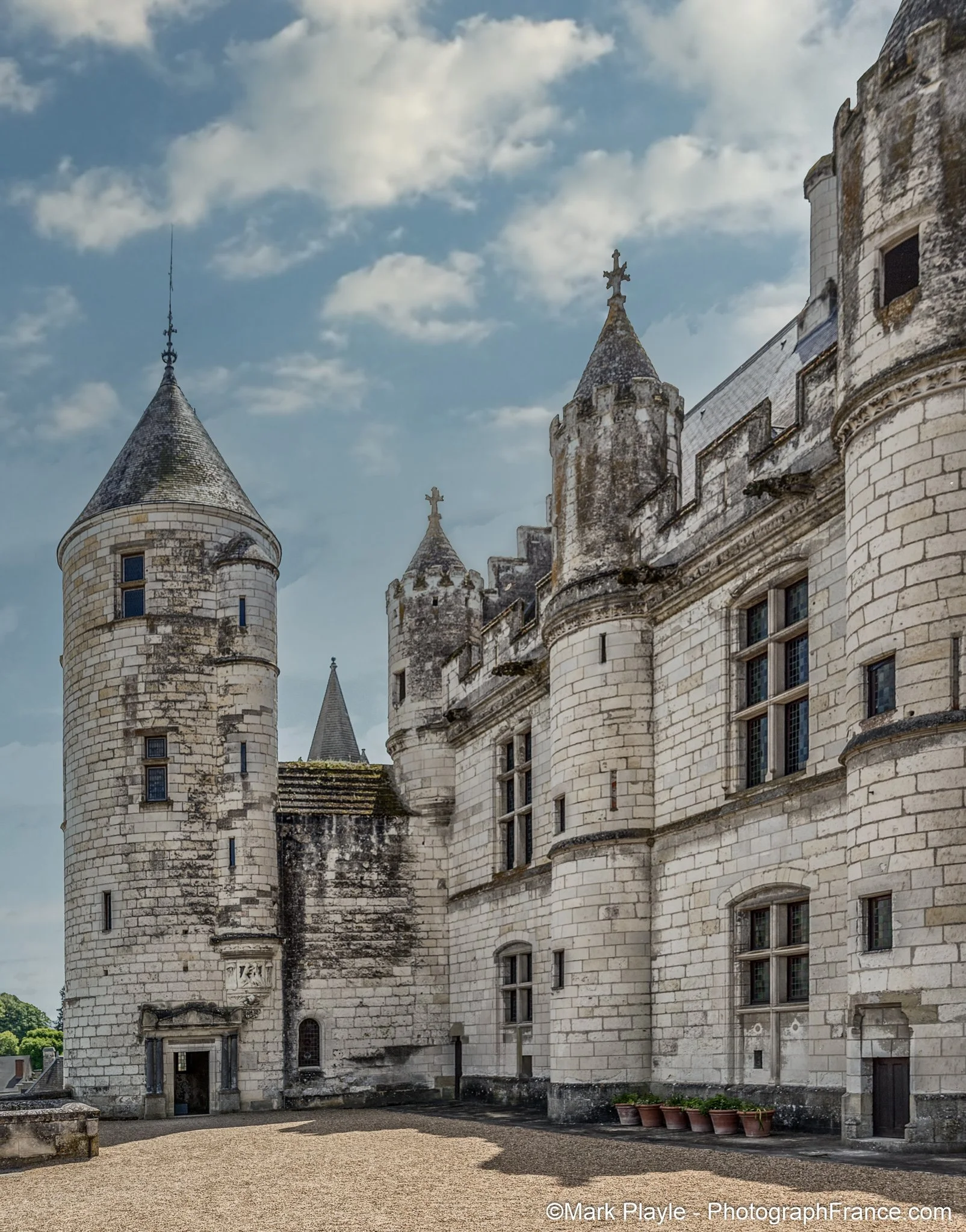
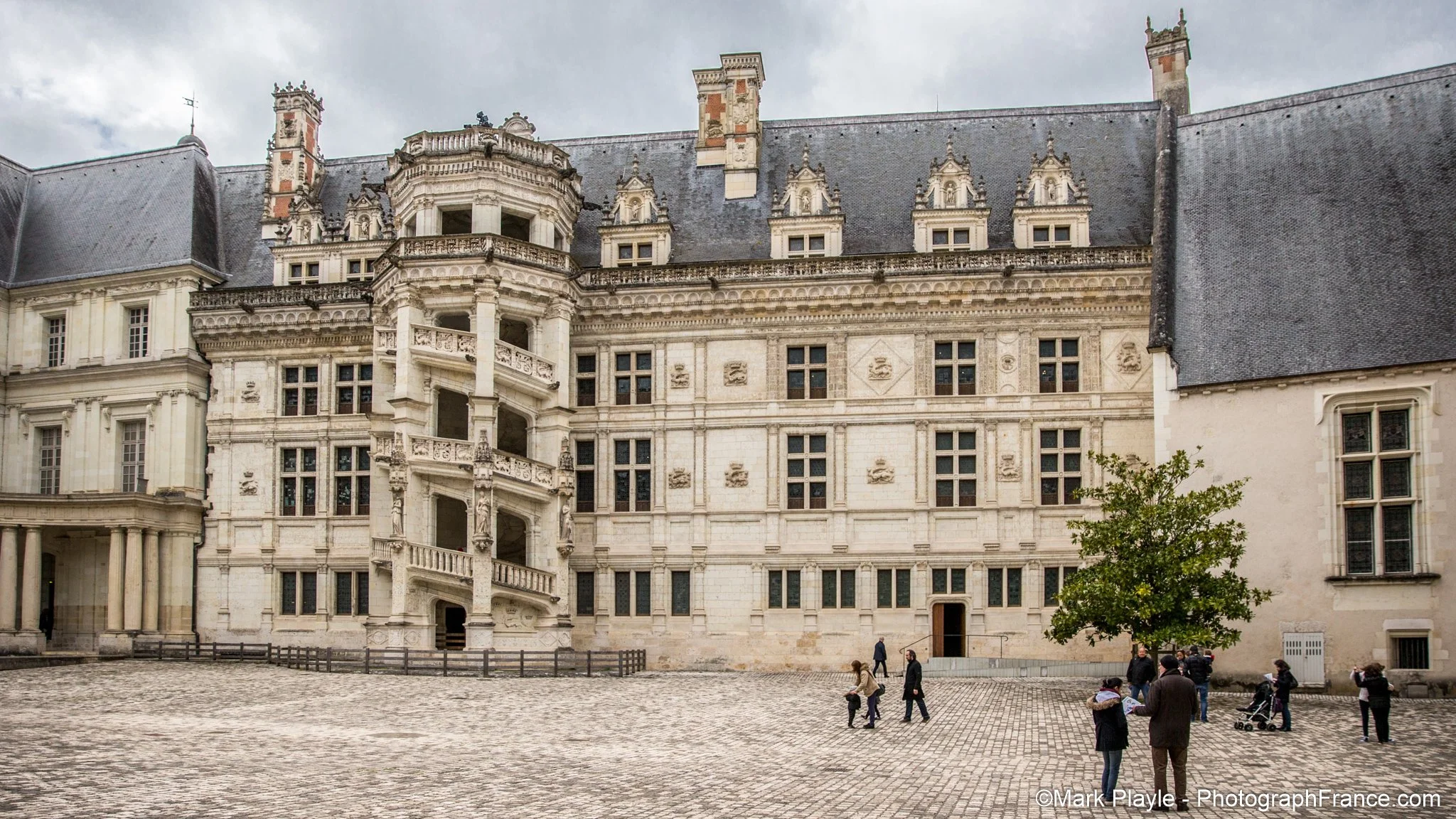
Paris was lost. As was the north. The French monarchy was in a state of collapse. An English boy was King of France. Yolande's beloved adopted country was holding on by its toe nails.
Henry V had raided the French Crown's coffers but Yolande's fortune came from her lands the English couldn't touch.
She used Italian bankers to transfer funds from her Spanish and Italian estates to Anjou and used them to pay mercenaries to defend the Loire Valley.
Her political instinct, strategic gifts, leadership, intelligence, contacts, wealth and iron will turned the tide.
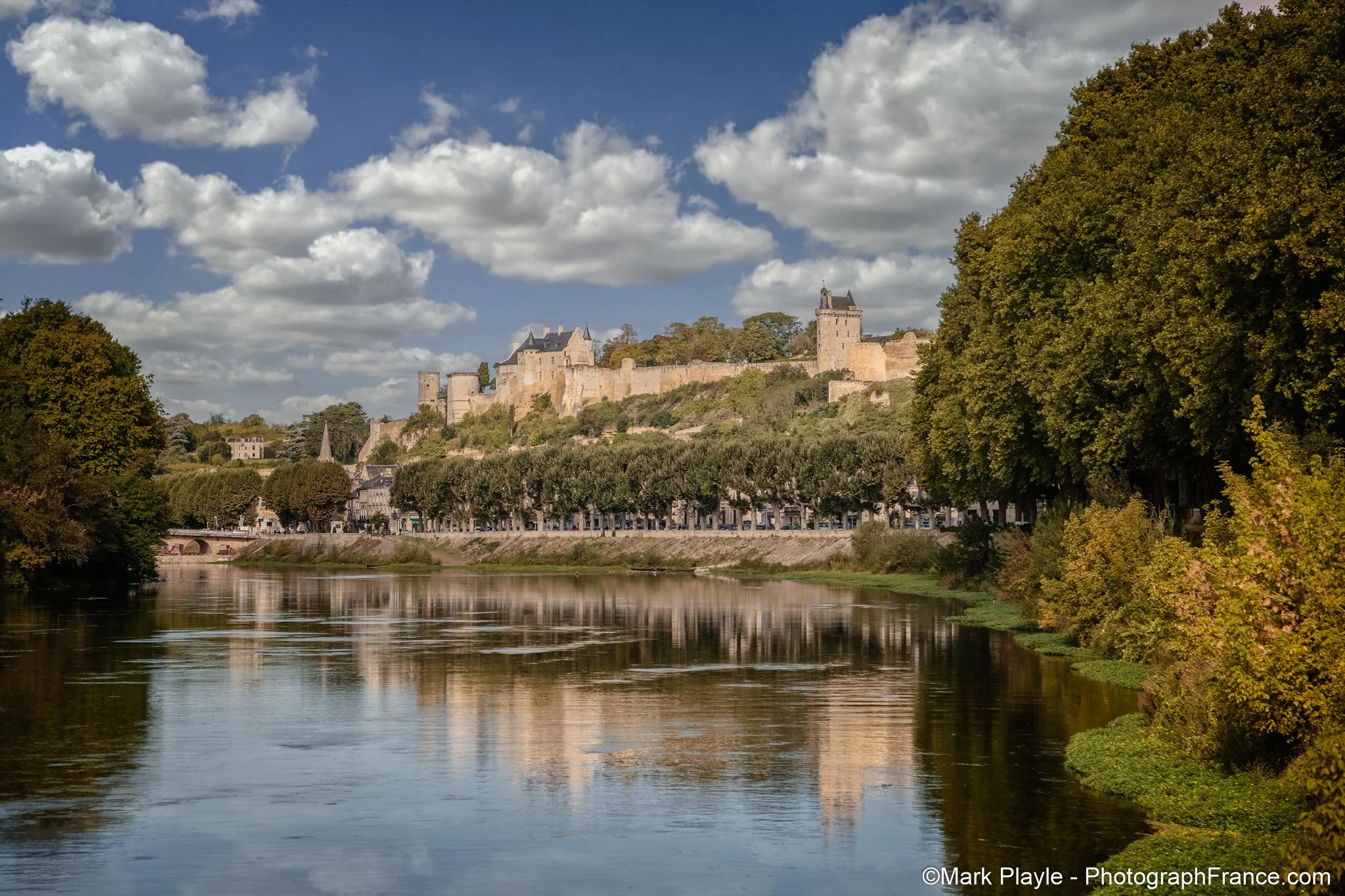
Her invitation to Joan of Arc to meet the Dauphin at Fortress Chinon in 1429 is one of the most important dates in French history.
However, Joan had already been dismissed as yet another teenage girl who saw visions. So many were claiming to hear voices, the clergy had a checklist. Was the source Divine, Diabolical, or Delusional?
Yolande sent her to Poitiers to be questioned. The clergy decided that she was genuine.
She then had to prove she was a virgin, that the Devil had not entered her body.
Official Statement: This Maid was put into the hands of the Queen of Sicily [Yolande of Aragon], the mother of our Queen, and to certain ladies of court with her, by whom this Maid was seen, visited and secretly tested... the lady [Yolande] said that she and her ladies found with certainty that she was a true and complete maid.
France was at do or die crisis point. The English had taken Orléans, the gate to the south. They could now walk into the heart of France. The Loire Valley was the final frontier. If it fell, France was finished.
Yolande funded the army, armour and supplies for Joan to break the Siege.
Without her, Joan would never have made the history books.
The Loire was used for supplies and messengers, a safe way of moving from one fortress to another. Following the near miss at Orléans, Yolande secured the crossings.
She used Angers as her Command Centre from where she kept Charles VII’s rickety Court supplied, fed and, most importantly of all, relevant.
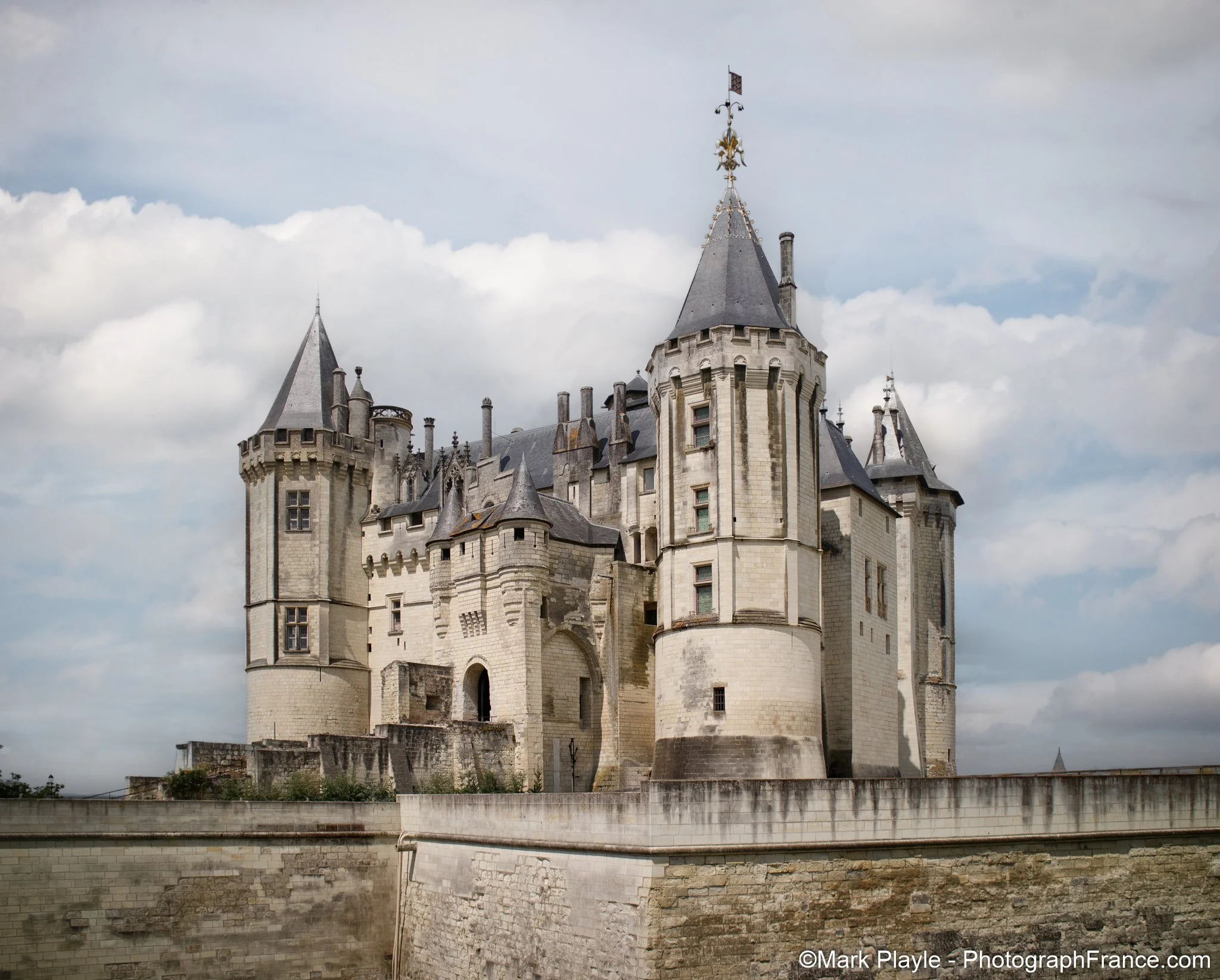
Saumur was where Yolande held her Court. This is where alliances were cemented, treaties negotiated, Scottish captains received, where the fight for survival was fought. It was a court of loyalists, clerics, diplomats and close family members.
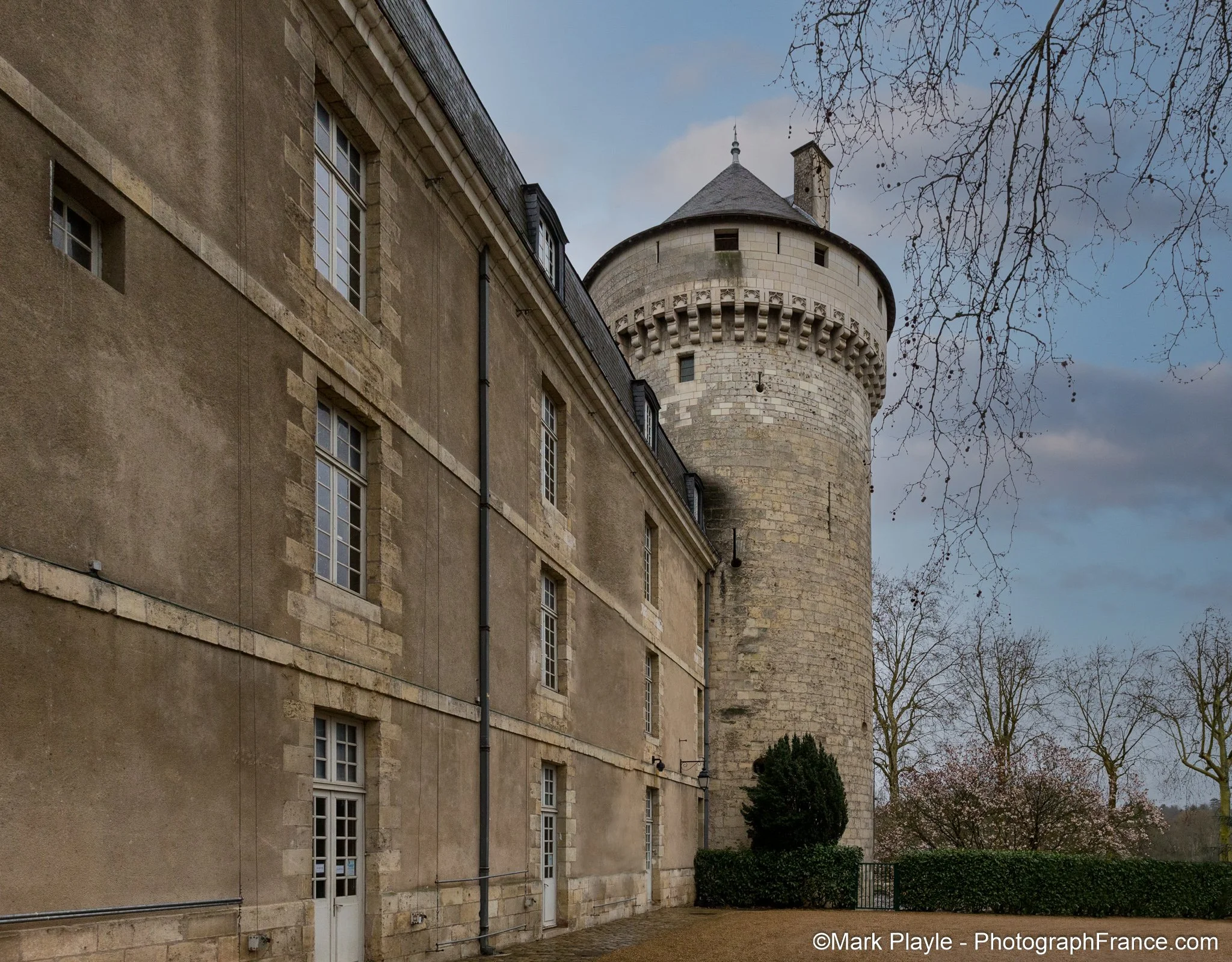
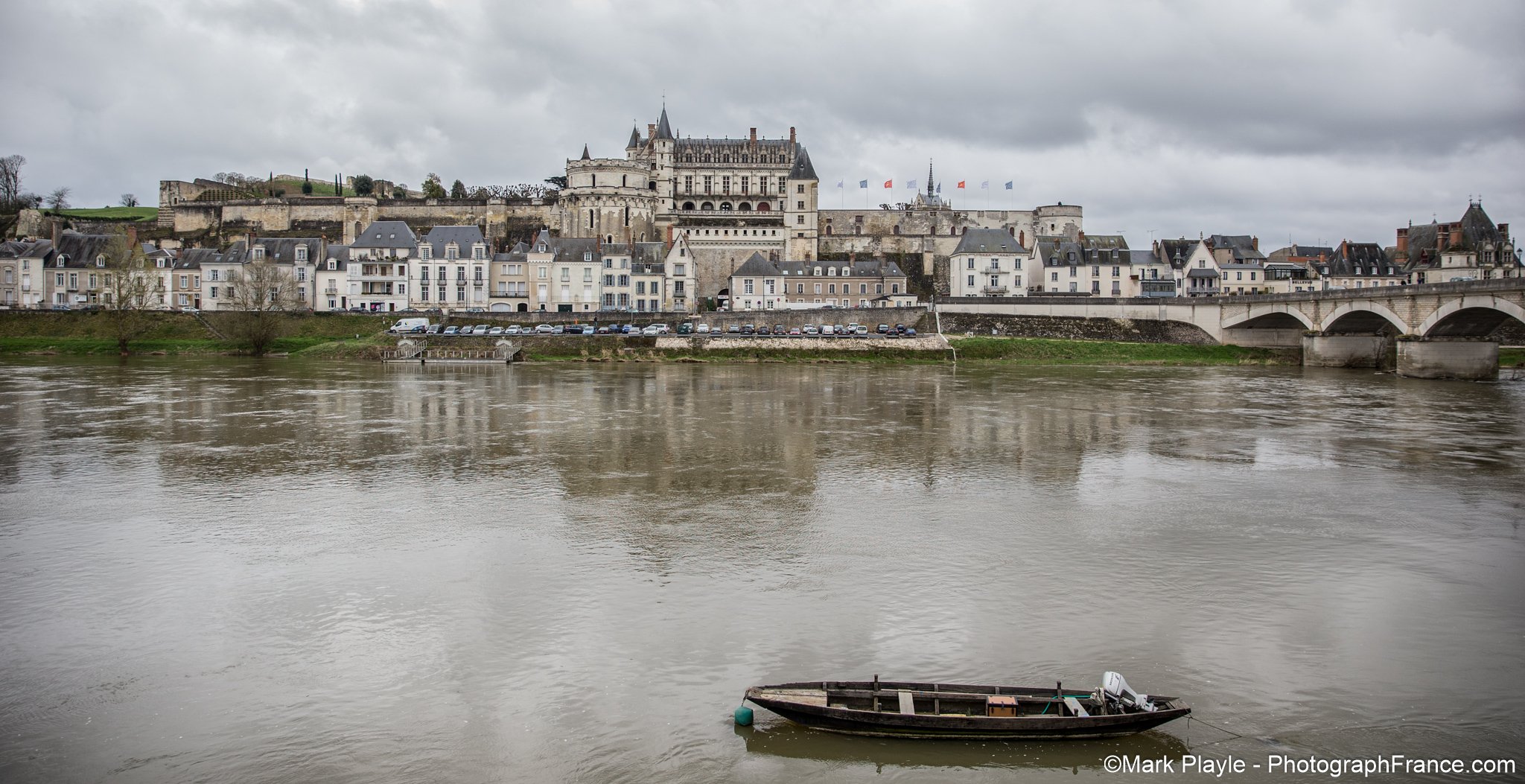
Loches was where she kept her grandson, the Dauphin Louis (XI), the next generation safe. Tours is where she made her son-in-law's Court function. Amboise is where she signed her daughter over to the duke of Brittany to break its alliance with England.
In short, Yolande of Aragon saved France during the devastating Hundred Years’ War against England.
Because she protected the Loire Valley, tourism today adds €11.3 billion a year to the French coffers.
I am always dismayed when I find my heroes have feet of clay. Not so, Yolande. The more I find out, the more I admire her.
From her arrival in France in 1400 to her death in Saumur in 1442, her Great Cause, the survival of the House of Valois and getting rid of the English, never wavered.
For the survival of France, her long game worked.
As for the survival of the House of Valois. Sadly that lasted a mere seventy years.
Yolande put Charles VII on the throne in 1429. When his grandson, Charles VIII, died in 1498 in Amboise, the pure bloodline she worked so hard to preserve ended.
After that came the Valois Orléans and Valois Angoulême branch lines until 1589. Then. The House of Bourbon.
Napoleon (rightly) told Thomas Paine that a statue of gold should be erected to him in every city.
One, rightly, should be erected to Yolande of Aragon in every town along the Loire.
Post by Pamela Shields BA, Photography/Artwork by Mark Playle.
Read more about Yolande
Out of the Shadows,
A Royal Childhood.

Read about Yolande's husband Louis II
and his failed claim to the throne of Naples in
Leonardo da Vinci The Amboise Connection.
